WEEKLY FORECAST
11.10.2026 – 11.16.2026
CENTRAL FLORIDA’S BEST FISHING REPORT
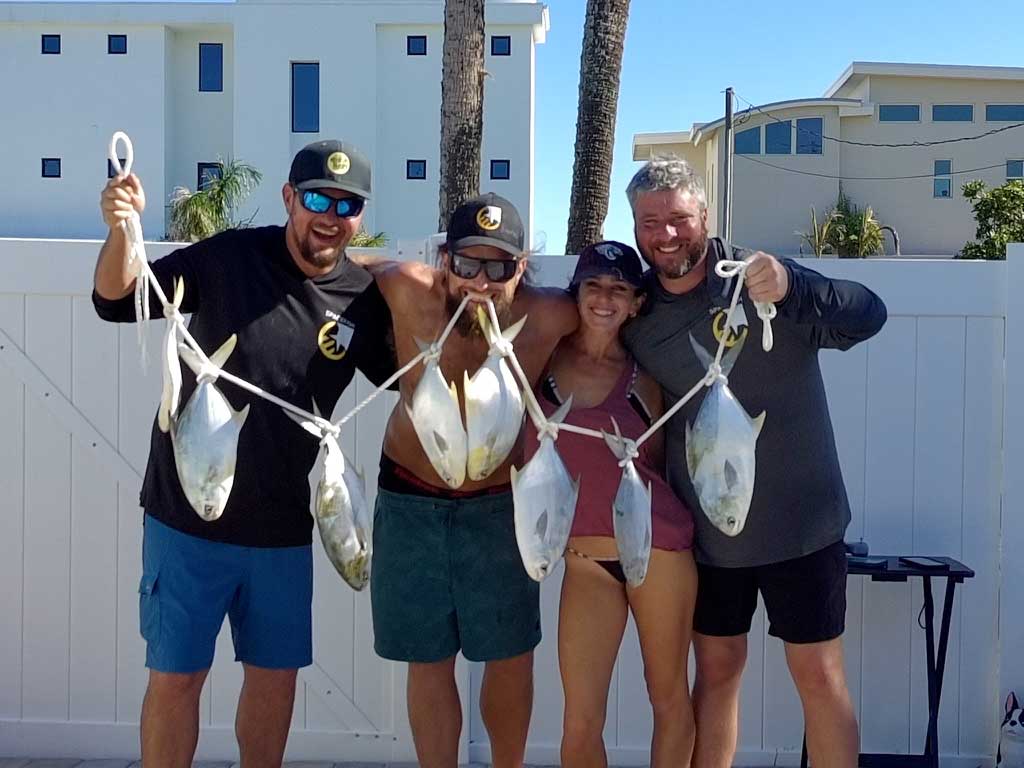
Capt. Crush reporting from the front lines of the beach: the pompano run has ARRIVED!
Brevard's beaches may have taken a beating in recent weeks, but ready or not, migrating pompano are moving south through the surf — that is, according to Capt. Crush, at least. If so inclined to believe it, you better ready the rods, because a prime window of opportunity is fast approaching…
Sign Up for Early Access to the Spacefish App!


WEATHER & CONDITIONS
BITE OPPORTUNITY INDEX
OFFSHORE
INSHORE
SURF
FRESHWATER
Weather Overview
We get our best fishing window Tuesday through Thursday before the strongest cold front of the season arrives Thursday night. Light winds and seas subsiding from 3–5 feet Tuesday to 2–3 feet Wednesday and Thursday should improve offshore access, although Wednesday brings a 20–40% chance of storms capable of strong gusts. Surf anglers should still respect a high rip-current risk Tuesday, but lighter winds and a diminishing swell may produce increasingly fishable water through midweek. More importantly for the pompano migration, the front will drive temperatures sharply downward Friday and Saturday, with coastal lows near 50 degrees and daytime highs only in the upper 60s to low 70s; that abrupt cool-down could provide the first meaningful seasonal push to move more pompano south into Brevard’s surf, though the bite may improve after the water settles rather than during the frontal passage itself. Fresh northwest winds of 15–25 knots will rebuild seas Friday and Saturday—around 3–4 feet nearshore and up to 7 feet in the Gulf Stream—making offshore fishing hazardous while potentially cleaning and flattening portions of the immediate beachfront under offshore flow. Inshore fishing should be strongest ahead of the front Wednesday and Thursday, then favor protected shorelines and warmer afternoon periods this weekend. Freshwater anglers also get a favorable pre-front feeding window, but extensive St. Johns River flooding and the sharp temperature drop may slow shallow-water activity after Friday morning.
Resources
GIVEAWAYS





Latest Reports

Getting Back Into It!
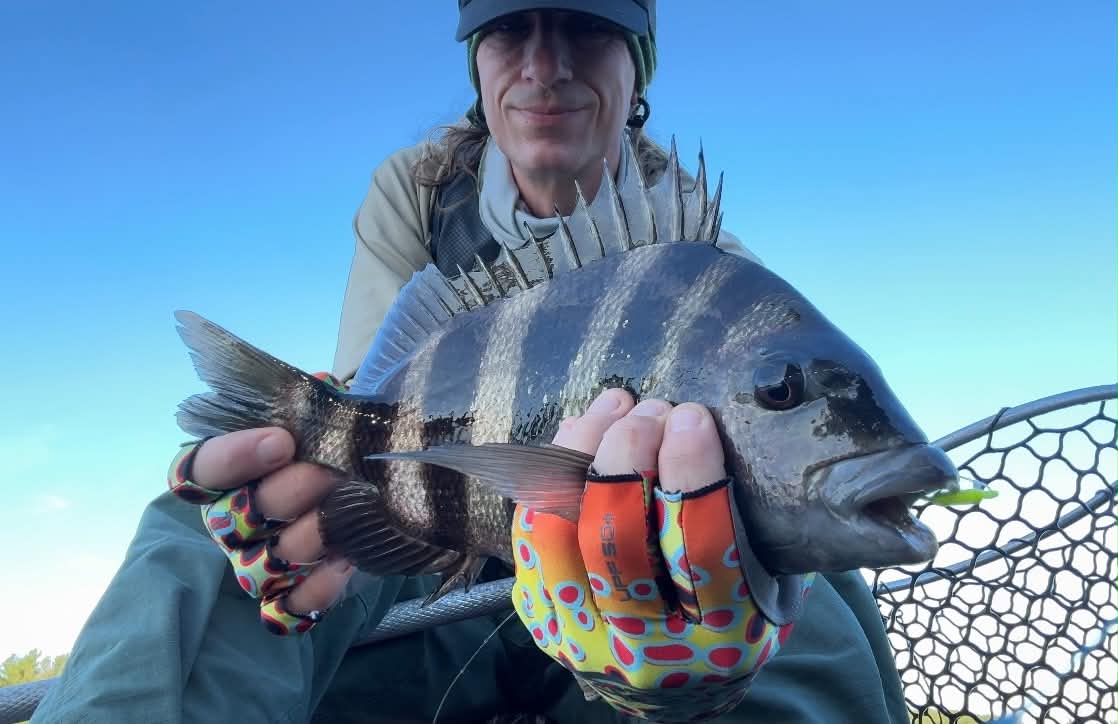
I headed out early to collect some bait and started the morning fishing mangrove tree crabs rigged on yellowtail snapper jigs around mangrove shorelines, working the roots, fallen trees, and other typical structure. Unfortunately, that wasn’t producing much beyond the occasional mangrove snapper.
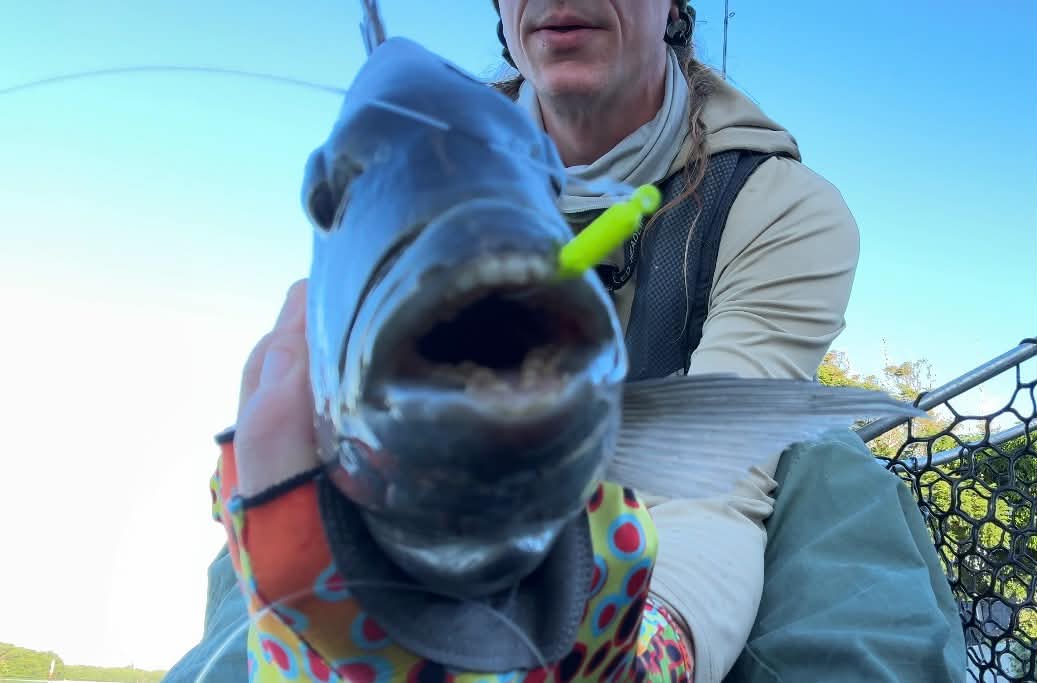
Eventually, I switched things up and started working docks, and that seemed to be the ticket. From there, I continued focusing on docks, along with rocky shorelines and seawalls, which ended up being the most productive areas throughout the morning.
Nothing huge to report just yet, but I did manage to put together a few respectable fish, and things are looking promising. I’ll be sticking with the sheephead for at least a few more trips to see how things develop. It’s only going to get better from here!

Pompano Run 💯
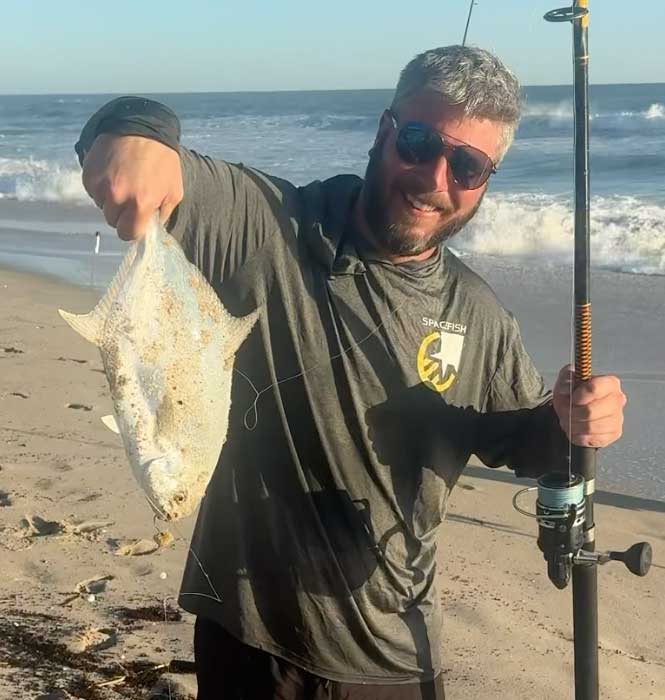
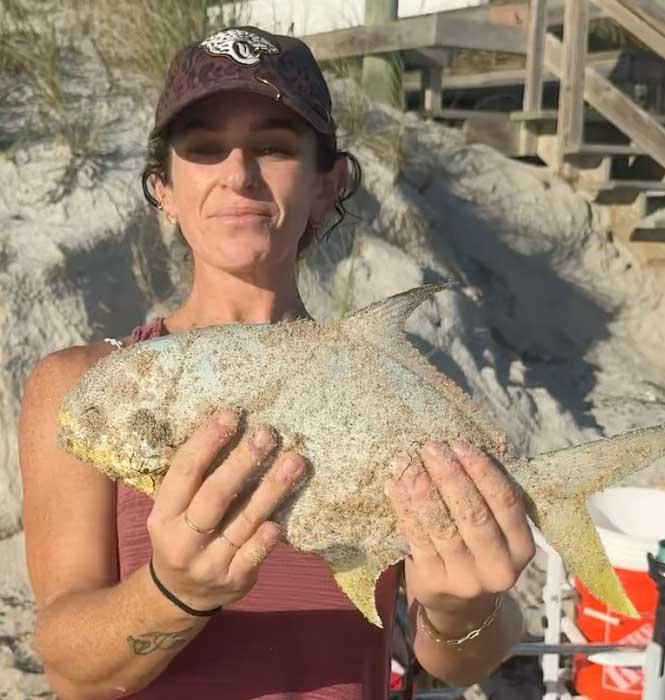
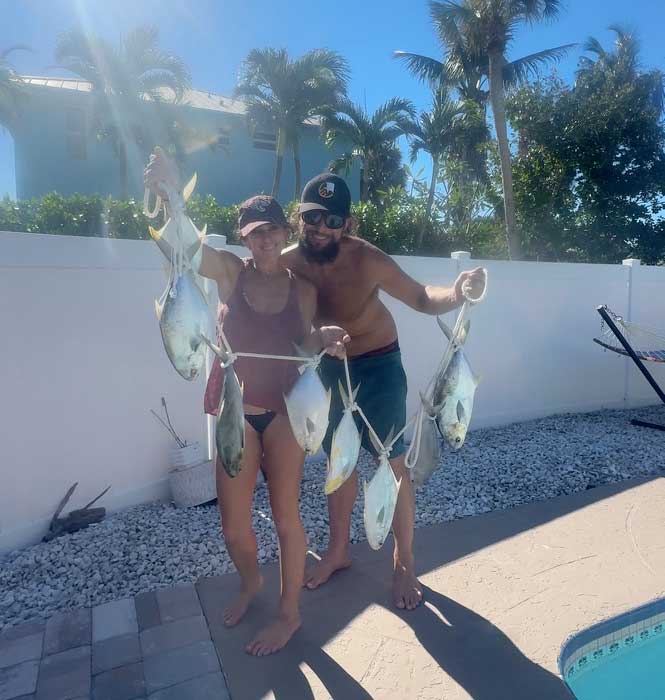
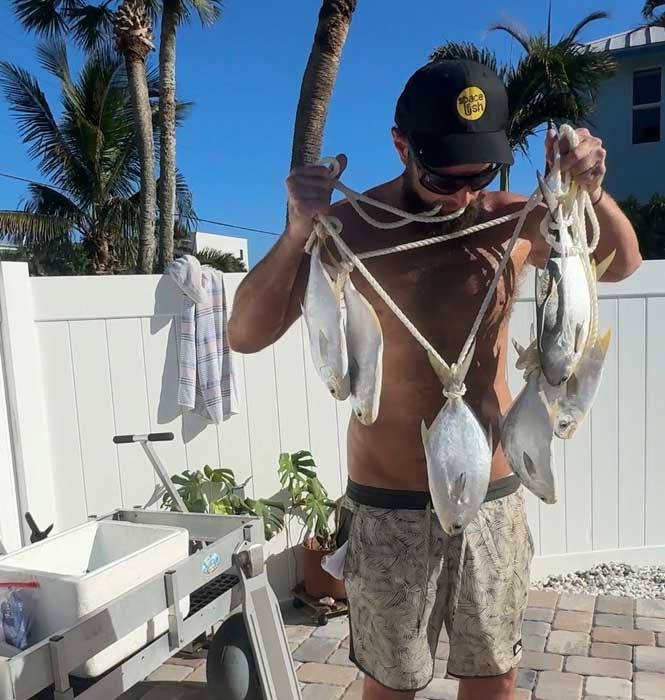
Fresh off the press from the guy that brought you first word on the most recent Fall mullet run: the pompano run is now in session! Between Friday and Sunday, we hauled in 23 pompano from the surf in Melbourne Beach. The fish were both large in size and number. Only 3 or 4 fish were released, and they were all right at 11” to fork — and even these, the smallest of the fish, were of a healthy and round, well-fed composition. Otherwise, we had quite a few +15” fish SLABS hit the sand.
For us, the early morning bite was the show and Fishgum was the price of admission. With the north wind, the current was ripping south down the beach, but 4 oz pyramids did the job to keep baits where we wanted them. Sand fleas have been lacking in size and availability over the past few months, but that trend seems to be reversing course — hopefully it continues on steadily in the positive direction.
“Trust me, Bro”
How do I know the pompano run is definitively here? You don’t have to believe it, but I strongly advise, trust me, bro. I’m out on the beach 4-5 days a week. I’ve been catching pompano without a lull since spring — but typically lots of schoolies, leaner fish, and 2-3 keepers an outing — nothing like my two outings over the past 3 days. The water temperatures are right, the fish are here, and they are chewing.
The Time for Pomp is NOW!
Conditions were very mid to subpar this past weekend, but that didn’t stop the crush station from doing its thing — crushing. Looking ahead at this week’s forecast, there’s virtually perfect conditions lined up for those aiming to smash a fat bag limit on pompano. Wednesday looks especially attractive and just so happens to be wide open for booking, so if you want to take a crack at ‘em with Capt. Crush, hit me up! 4 hour trips are $400 with morning and afternoon starting times at 6am and 2pm. To book, go to thecrushstation.com or text me at (321) 252-9092!


Push of Smaller Snook
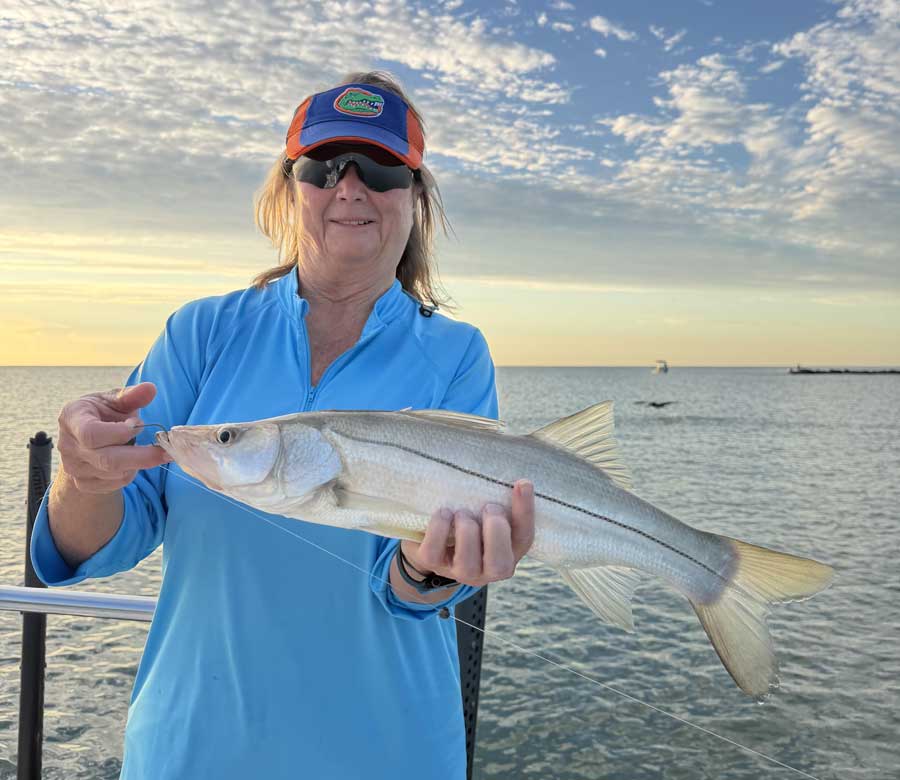
It’s been a minute since I’ve been on the water. I’ve been on my 2026 deer hunting tour for the past two weeks. I traded my fishing rod for a bow and a bolt action rifle. Now that the water is cooling down and settling down, we should start to see a huge push of smaller snook, bluefish and redfish coming down the beaches. The blues are voracious and will eat just about anything that you cast. Spoons, lipped diving plugs, live baits and cut baits are all good options for them. The smaller snook are going to be a little more particular in the daytime and will prefer pilchards, fingerling mullet, or large shrimp. The larger snook will typically eat larger mullet, croakers, and pinfish best. The redfish will range in size from 20 inches to 50 inches. Which size you catch will depend on where you are fishing. In the lagoons, the slot size up to about 35 inch fish have been readily available on cut bait. Along the beaches, these fish have been roaming up into the upper 40-inch range. Croakers, pinfish, and most cut baits will get their attention.
At this time of the year, you have to watch the cold fronts, but if you can get out in between them when the wind is calm, you can have some absolutely fantastic days on the water. If you’re interested in booking a trip with me to go chase some of these species, you can get my available dates on my website finelinefishingcharters.com, or you can call me at 321-636-3728. Let’s go catch your next memory!


Rain Shower Fallout
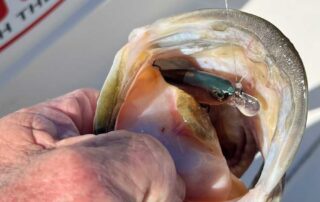
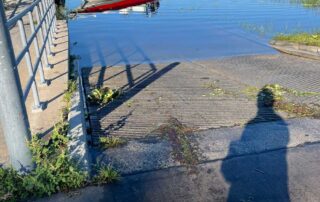
After the recent rain that fell upon our area last week it has done major damage and filled our lakes and lagoon. The North fork of the Sebastian River is closed just east of the spillway area due to a levee collapse and the Fellsmere Grade road leading to the Stick Marsh is also closed due to high waters. You can fish Headwaters but the rest of the road west of this entrance will be closed for a while. I made a solo fishing trip to Garcia which I haven’t fished for a long time and was met with high waters at the ramp that I never had seen this high ever before. The Old Man steps I installed on my trailer really came in handy to get in and out of my boat due to the water levels.
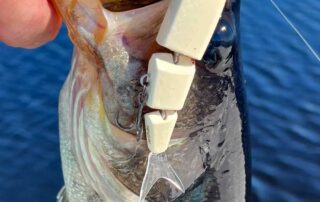
I started my day on the north end of the lake and my plan was to work my way south mainly looking around since it’s been so long being there. I noticed very little to no Hydrilla anywhere I went and for the first hour not a fish had been caught. I cranked up the motor and just started slowly moving around looking for Hydrilla and cleaner water. I also noticed there were way more areas choked in with hyacinths which made it difficult to get from one spot to another. The southern end of the lake was easier to move around than the north and water was cleaner with better healthier hydrilla scattered in it. It took me a while to get to an area that I have called Pig Trail for over 40 years when I first came to this lake with a coworker Ross from my Winn Dixie days. This was the only area yesterday where I caught fish. Nothing big but who cares it has hope. I found one bed while floating around the area. I caught all the fish, throwing my favorite little suspending jerk bait, a Yo Zuri 3DS Minnow and a new lure that came out this year a Pro Jointed Minnow. This next weekend will be giving us our first winter chill so once again putting the puzzle together for what the fish will be wanting will change again as the mid 70 water temperatures will drop for a few days afterwards.


Flooding & Runoff Not So Bad
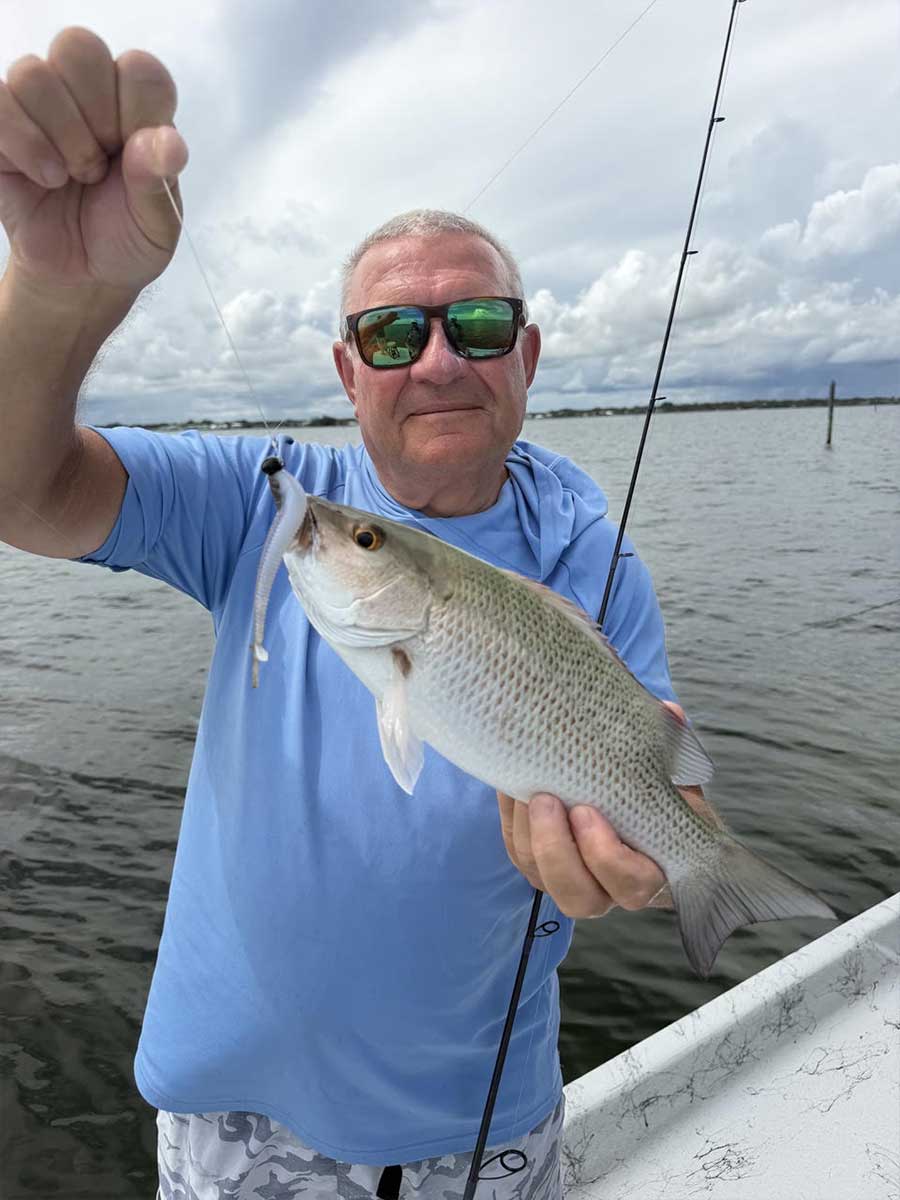
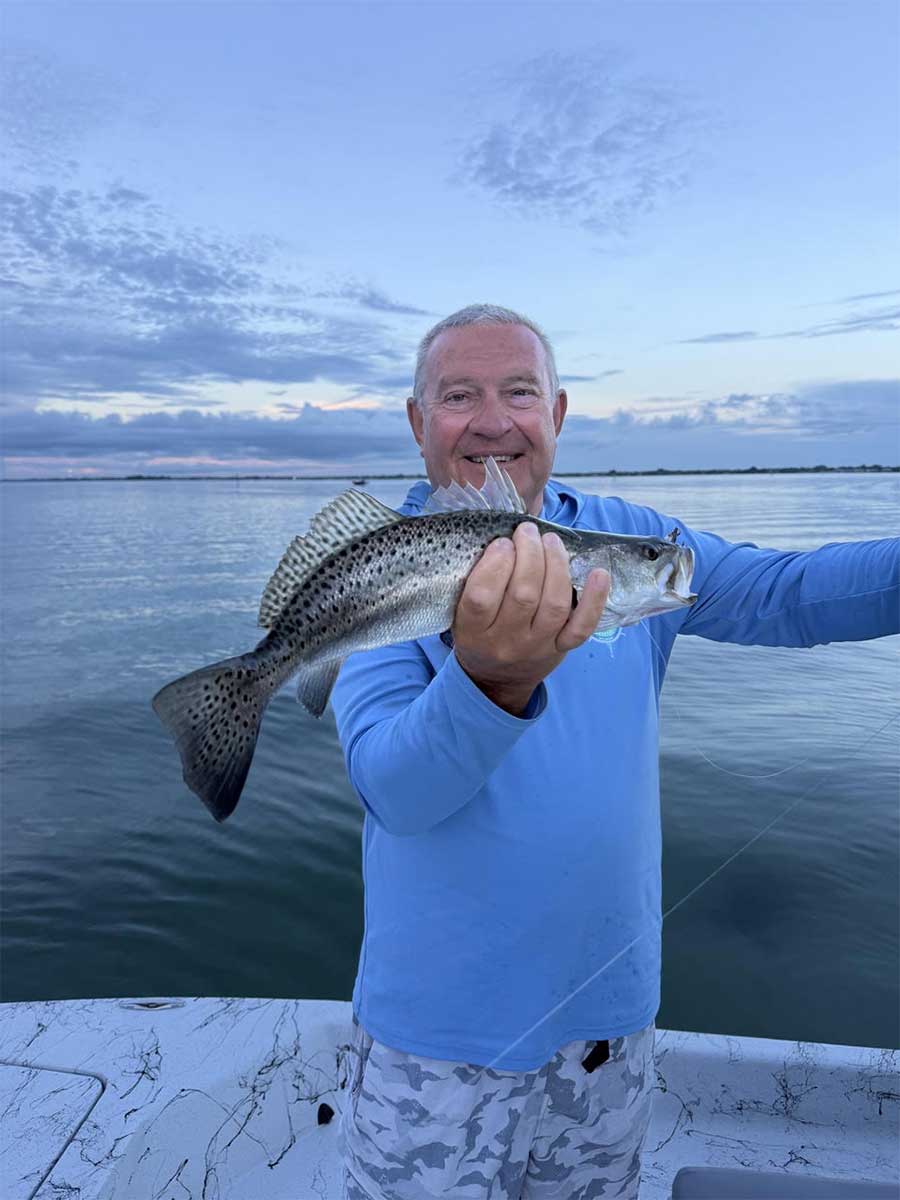
With all of the flooding and all of the runoff, I really thought the fish were going to suffer and fishing would be slow in the lagoon as it was still too rough to run the beach and look for tarpon and sharks. Inshore bite was strong from Grant to Wabasso with a lot of trout, more trout than I have caught in years due to the return of the sea grass. Along with the trout we caught several snook, some black drum, redfish and plenty of jacks, macs, ladyfish, snapper and juvenile grouper. All on the Rapala Crush City Mooch minnow.
The salinity levels in the lagoon became dangerously low but seem to be improving throughout the week and should as we move forward. Let’s hope we avoided a disaster with the lagoon. We need the water to clear up and keep the grass that has come back healthy so the bait and fish stick around. The forecast is good with little rain and cooler temps late this week so the odds are good for a rebound.

High, Smelly Water
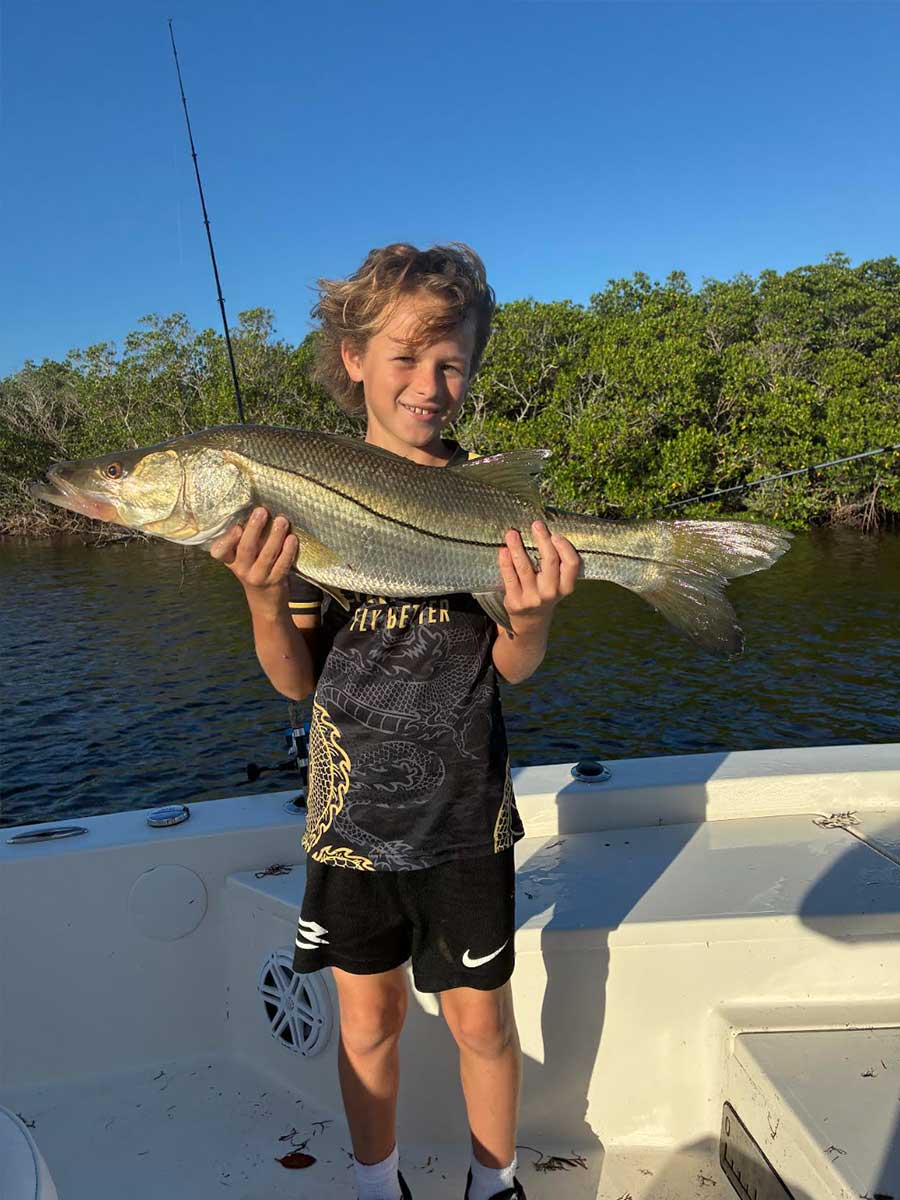
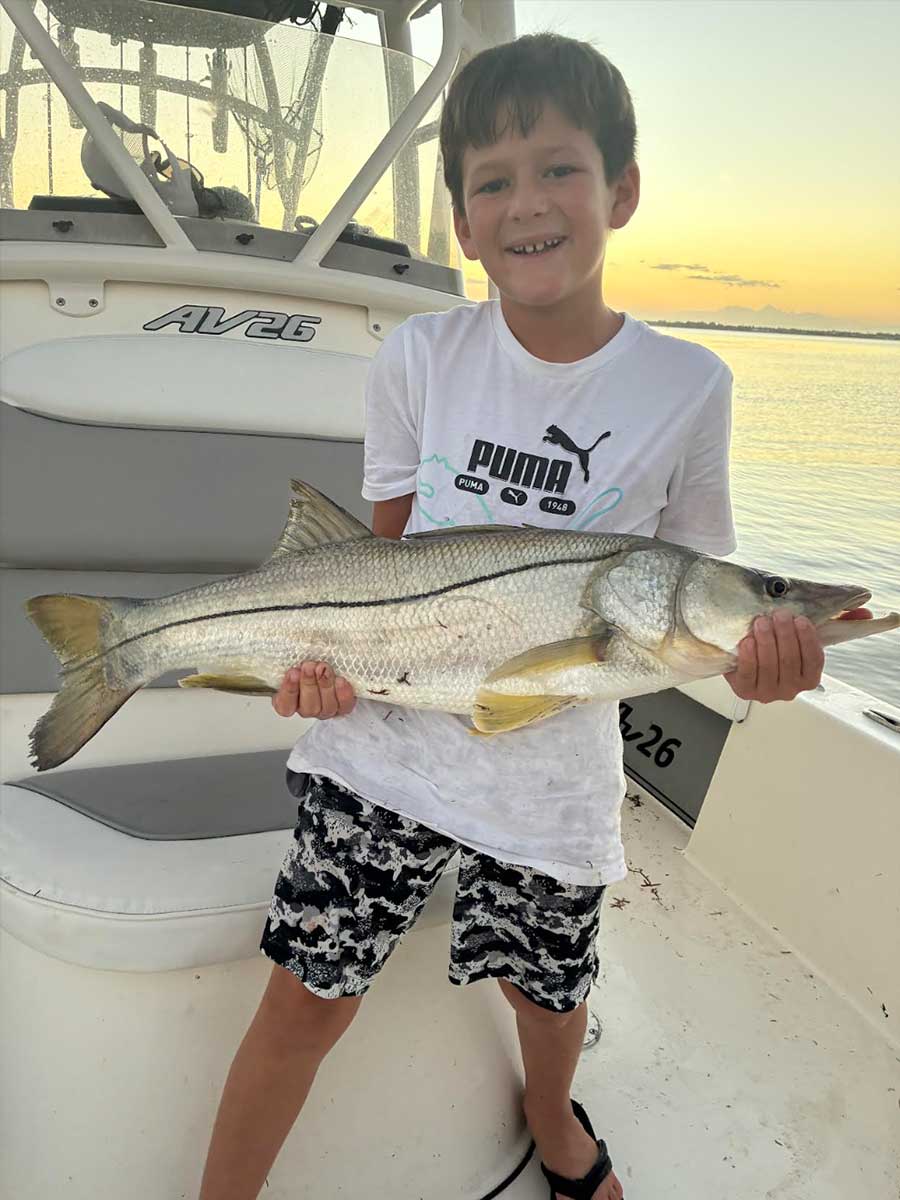
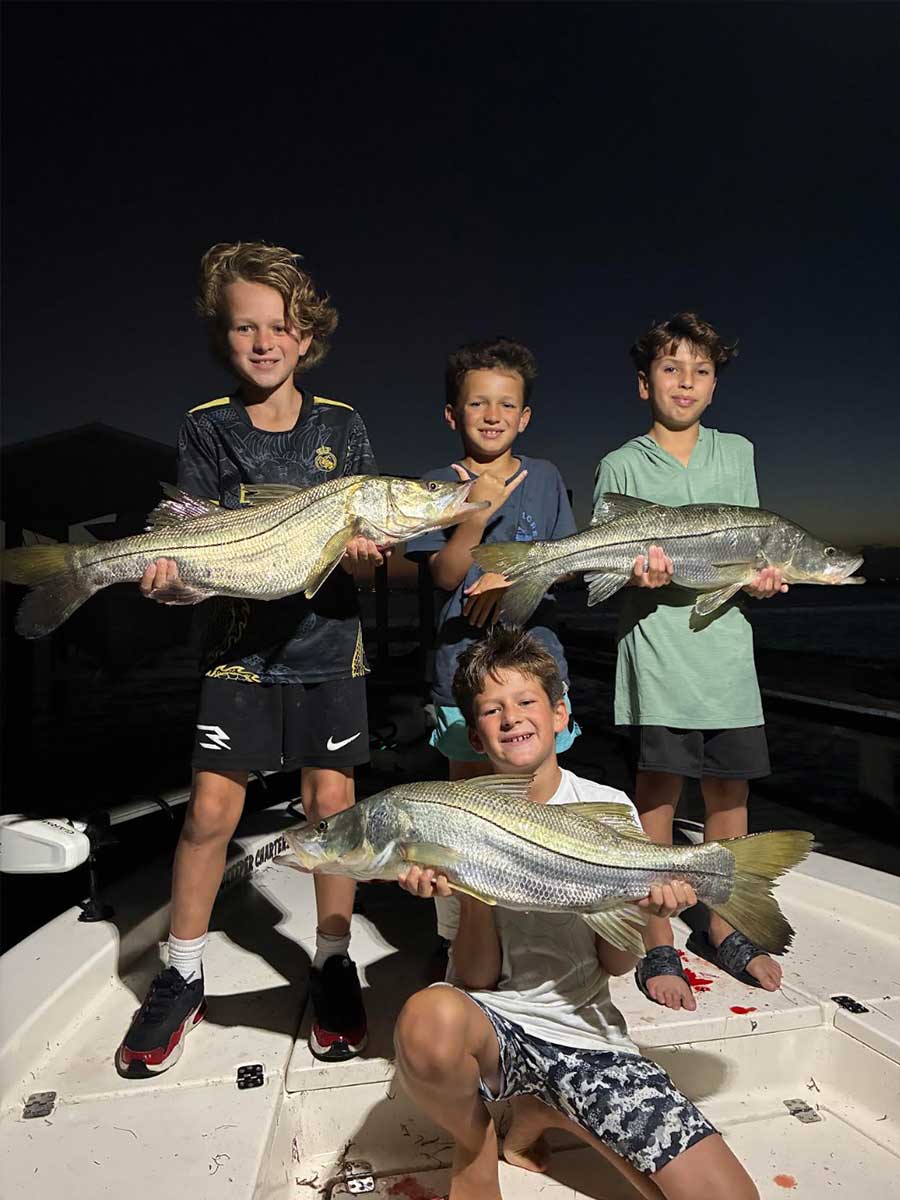
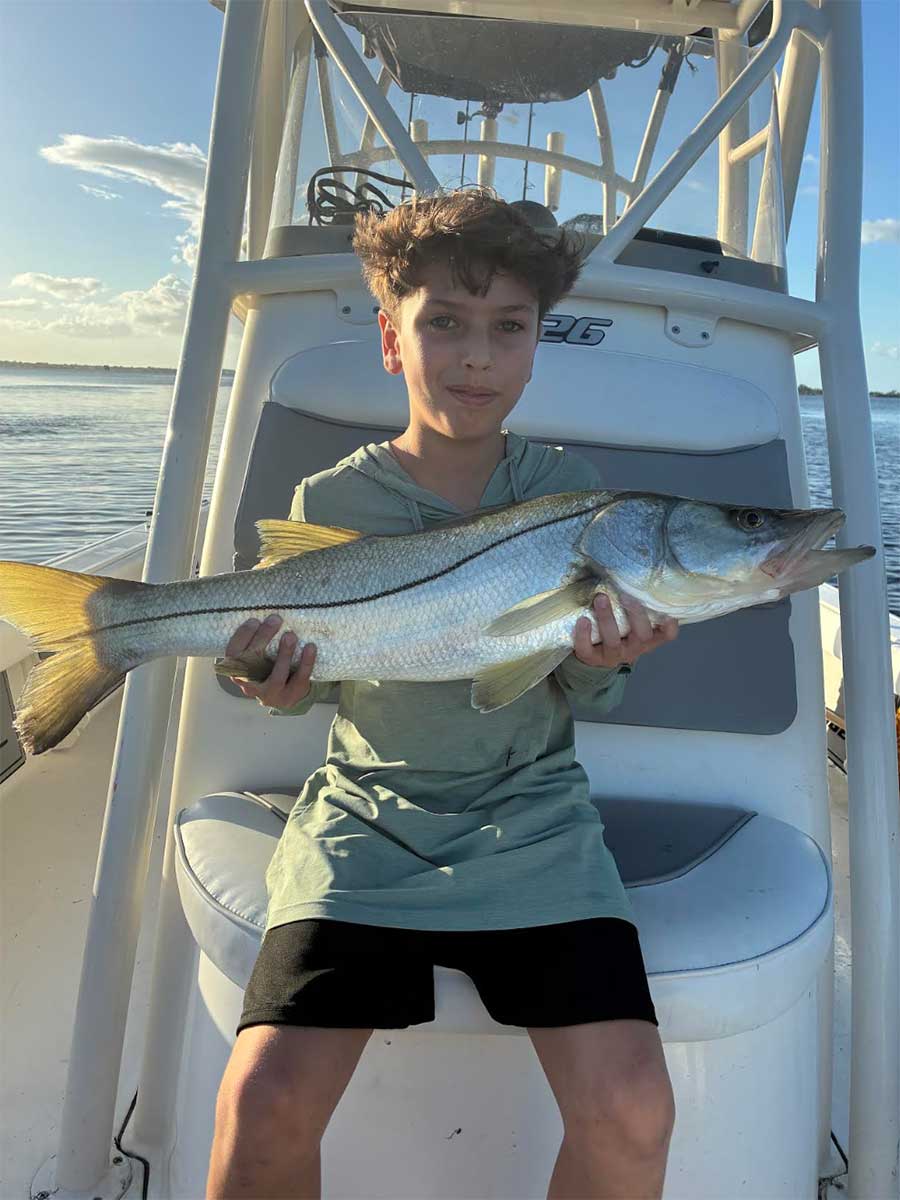
We continue to have high water with the flooding. And gotta be honest, a lot of it smells pretty bad too. It does have a septic-like smell, especially towards the Sebastian River area. I was expecting the fishing to be absolute trash but to my surprise, we had an absolutely amazing week of fishing. There was Spanish mackerel, bluefish, and jack’s, large ones, absolutely demolishing bait up and down the channel from Melbourne Beach all the way to Vero Beach and I’m talking absolutely demolishing it all day long!
The pompano have made their way to the river, although it’s really hard to target them with all this dirty water. The real stars of the show this week were snook, big ones and in numbers. Not very much luck on the outgoing tide and that’s including the backcountry waters but once the incoming made its way, the bite turned on and it was hot using lots of live mullet in various sizes and using mangrove shorelines and oyster beds as structure points.


North Jetty Remains Closed
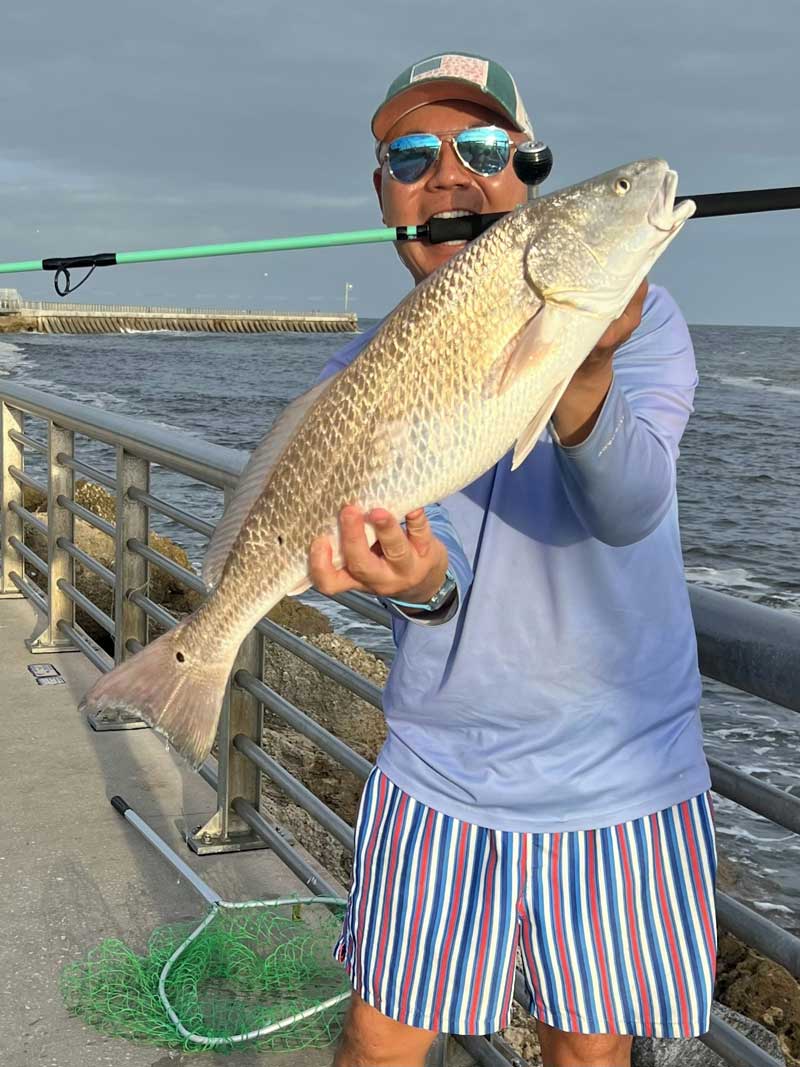
Parker Russo with a nice red at the inlet
Good morning all my Sebastian Inlet fishing friends, I hope you all enjoyed the weekend, was pretty nice out, even for the fishing, finally! Some relief from the boredom of nothing. Lol.
I’d like to start off by reminding you folks that you can NOT keep any redfish in our Indian River Lagoon area, from New Smyrna Beach all the way down to West Palm, they have been closed since September first 2022, and all have to be released. Also note that the spotted seatrout are also CLOSED for November and December, and open back up January first, can’t keep them either until then, catch and release.
Over the weekend there was a fishing tournament going on at the inlet, and in chatting with several of the teams seems like the fishing was decent for many of them, and for some of our regular anglers. Many different species of fish were caught despite the water being Not so good quality wise. I chalk it up to the cleaner ocean waterr on the incoming tide mixing with the dirty outgoing and making the salinity levels more tolerant for the fish, so they decided to play. The tournament anglers were only allowed to use artificials, so that’s cool, the regular anglers I chatted with were using live and dead baits for their catches. There weren’t really any “hot spots” to focus on, just the fish were scattered around the entire inlet, with the sough side west of the bridge being the better area, both tides, especially back in the T dock area. So here goes with what I have.
North Jetty…. STILL CLOSED….
The walk way area along the wall on the early morning high tides has been producing some small snook, and catch and release redfish on artificials and live baits, along with some small mangrove snapper, sheepshead, and black drum, live and dead shrimp for those species. The outgoing tide up on the jetty walk way area around the gate has also produced some small, but keeper sheepshead, black drum, and margates, all on dead and live shrimp. In the surf pocket area, some redfish and blue fish were caught by the tournament anglers on artificials, jack crevalle were caught as well.
South Jetty
Over here on the early morning high tides same thing, small snook, catch and release reds, bluefish and jacks on live baits, and artificials. The outgoing tide at the tip was the normal cast of characters, sheepshead, margate, blue runners, and some small black drum, all on dead and live shrimp.
T-Dock Area
Back here the fishing has picked back up also. Over the weekend I saw quite a few decent sheepshead, black drum, and black margate caught on dead shrimp along the rocky shoreline, and also around the dock pilings. Also I did see, and hear about quite a few snoom being caught back here, most were too small to keep, but they were being caught. Live pins and pigs, and shrimp jigs were the main baits to use. Either tide was producing fish, with the end of the incoming, and beginning of the outgoing when the water was a bit cleaner, was the better time frame to fish. Another species I heard about being caught by the tournament anglers on this side were some small flounder, yeah I said flounder! Lol. We are getting closer to them to start showing up as the water cools down, they like the cooler water. December-January are the good months for them, if the conditions get to what they like.
Well everyone, that’s it for this week, better than what is has been, thank goodness! This week is supposed to be pretty mild, and we have a cool down coming for the weekend. Everyone have a great week!

Fall Bite is ON!
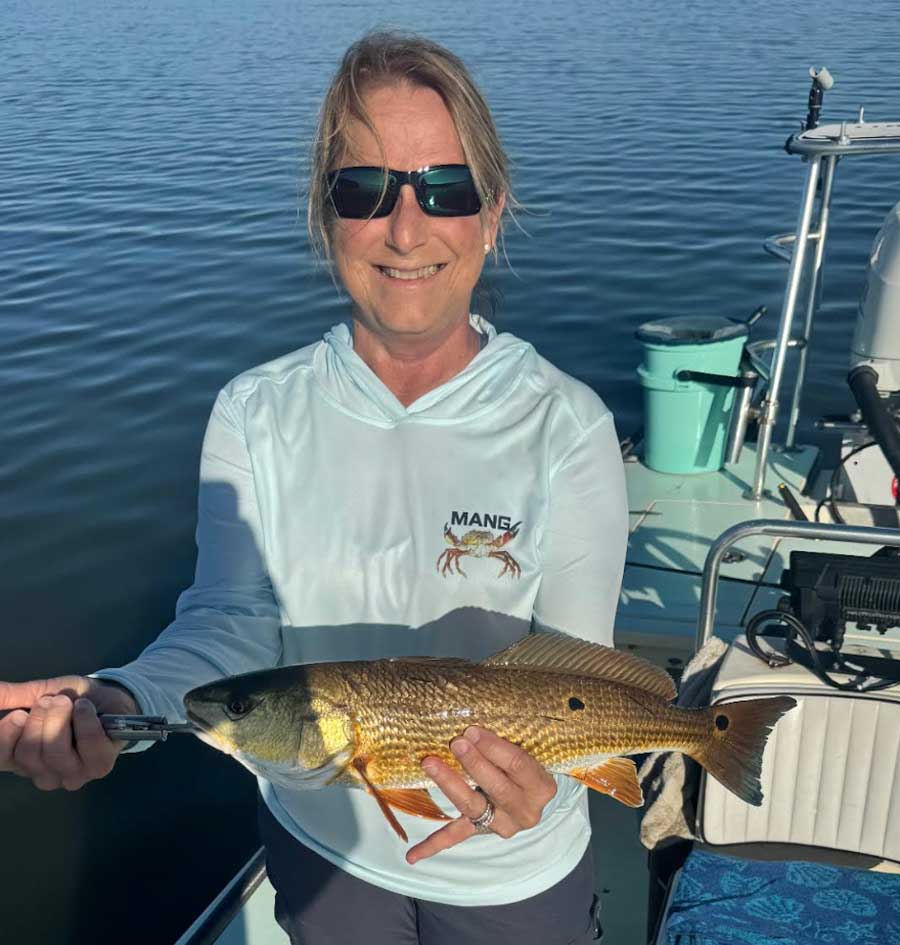
The fall bite is on. We’ve got clearing water and hungry fish. Both redfish and trout have been feeding aggressively on top water most mornings as well as live finger mullet. Chunk bait has been working really well for large redfish along shore lines. We should start getting schools of redfish coming together, as well as more schools of black drum moving to the drop-offs and shallow edges of flats in the next week or two.
Offshore, bottom fishing has been very good on days you can get out when the winds aren’t too bad for long periods of time. I still have some dates available this month if you wanna give me a call at 386-295-5991 or go directly to my website and pick the day you want.


Water Levels Remain High
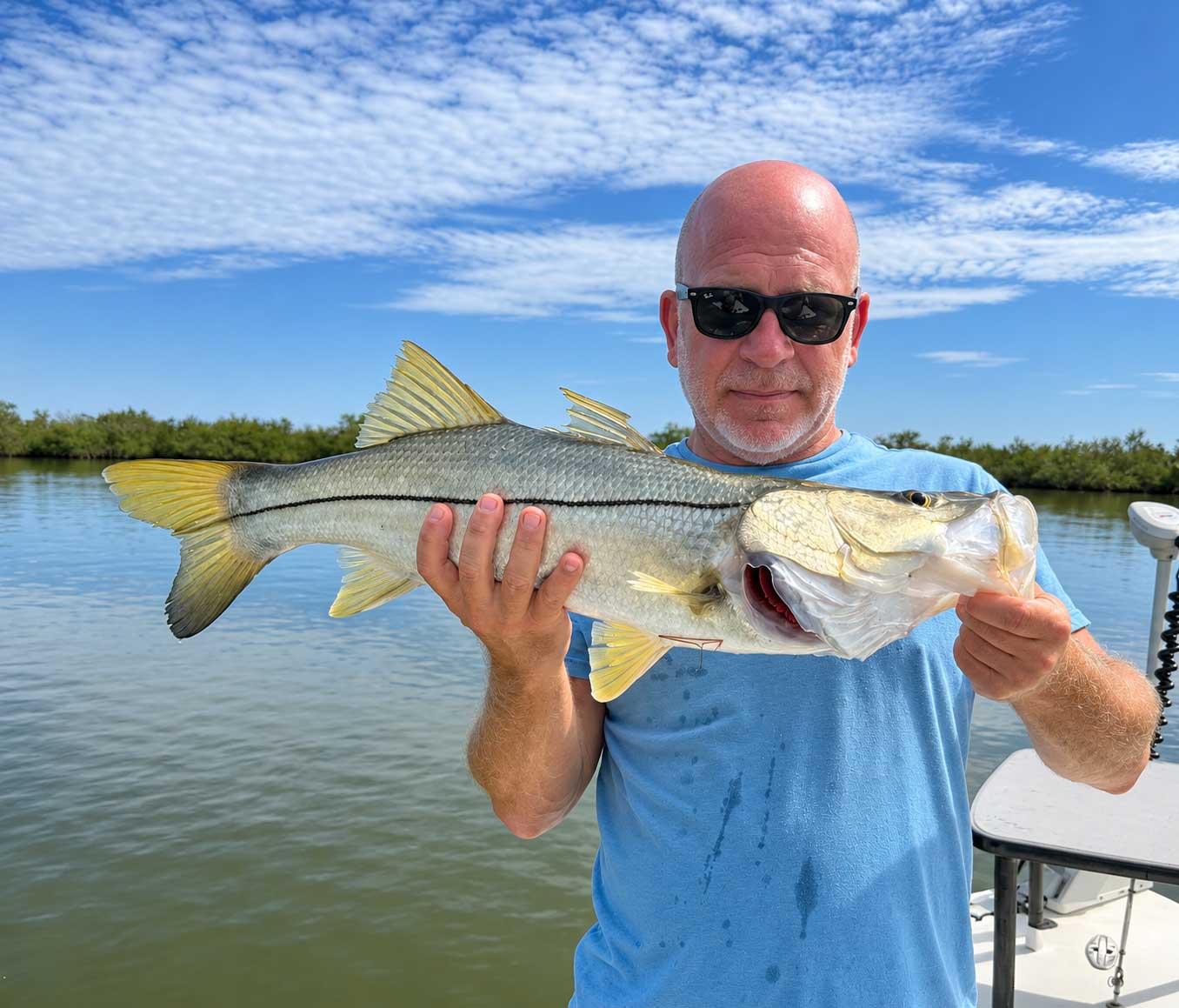
The bite throughout the Daytona Beach and New Smyrna Beach waters has been really good this month and will only continue as the Fall weather begins to set in. The water level is still high which makes it easy to navigate anywhere you would like to go without worries of grounding. The bait continues to be holding on the bars and shallow flats of Mosquito Lagoon which is allowing the fish to hold under and around the bait pods. The redfish and trout have been chewing well on almost everything from artificial to live bait along with cut bait. It looks as though we will be getting our first cool blast of air coming in this week and it will only fire these fish up even more.
All Spillways Flowing
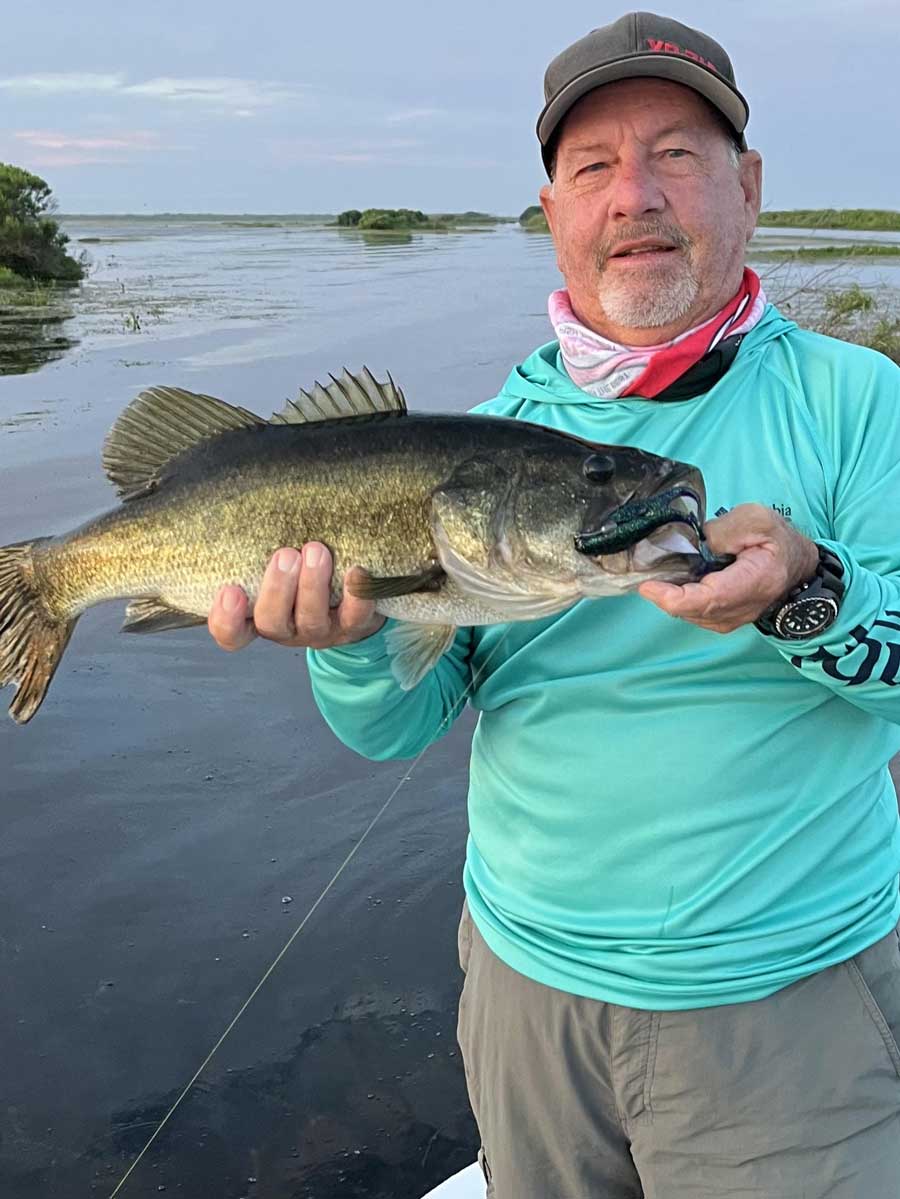
All our spillways are flowing and yes also the C54 canal that goes into the north fork of the Sebastian River. Thursday was a great bite at the Stick Marsh spillway and a total of 56 bass were caught with none bigger than 3 pounds.
Friday was very difficult fishing as the spillway area got crowded and 2 other boats beat us to the spot. Location, Location, Location is the key to fishing this small body of water. It wasn’t long though before they opened up the gates and really moved the water in. By this move the current was way too strong to fish and heavy vegetation was flowing through as well. I’m sure this was all decided to open this way to get ready for what rains were going to hit us in the days ahead of heavy rains.
The next few days after all this rain will for sure fill the lakes even more with water levels.
Recreational Harvest Recap
Cudos to all the guys that were out there this week fishing — you psychos! I, like other normal humans, did not get out there this week. I just wanted to drop in to keep everybody up on the pertinent fishery management rules.
1. Spotted Seatrout — as of November 1st, these fish are catch-and-release only through December 31.
2. Snook are open season through December 15th in the slot of 28” to 32” total length
3. Flounder season opens December 1st – the bag limit is 5 fish per person, and minimum size is 14″ total length.

When the Skies Open: Heavy Rain, Dirty Water, and Fishing the Indian River Lagoon

When the Skies Open
Happy Monday Spacefish!
Well… somebody apparently forgot to turn off the faucet.
If you’ve spent any time around the Space Coast lately, you’ve probably noticed that we’ve had more than our fair share of rain; and while a little freshwater falling from the sky is certainly nothing unusual in Florida, prolonged periods of heavy rainfall can have some pretty significant consequences for our beloved Indian River Lagoon system.
As anglers, one of the first things we notice is the change in water clarity. Those beautiful stretches of clear, shallow water suddenly look like somebody dumped a few gallons of chocolate milk into them. Sight fishing becomes considerably more difficult, familiar fishing spots look completely different, and finding fish can feel like starting from scratch. But there’s a lot more happening beneath the surface than simply dirty water.
Heavy rainfall can alter the lagoon’s salinity, introduce pollutants, change dissolved oxygen levels, and affect the movement of both baitfish and predators. Some of these changes happen almost immediately, while others can create environmental problems that linger long after the skies clear.
So this week, I want to look at what’s actually happening to our lagoon when the rain starts piling up, and then share three of my favorite artificial lures for finding fish when the water looks more like chocolate milk than the Indian River Lagoon; because while we can’t control the weather, we can certainly adjust how we fish.
When Freshwater Takes Over
The Indian River Lagoon is an estuary, which means its ecosystem depends on a constantly changing mixture of freshwater and saltwater. That mixture creates the unique environment that supports everything from seagrasses and oysters to the redfish, trout, snook, and tarpon we love to chase.
Rainfall is a natural and necessary part of this system. The problems begin when enormous amounts of freshwater enter the lagoon over a relatively short period.
When heavy rains fall across Brevard County, water makes its way into the lagoon through neighborhood drainage systems, canals, creeks, and rivers. In some areas, particularly those with limited tidal exchange, freshwater can significantly reduce salinity.
Now, species like redfish and snook are remarkably adaptable. They can tolerate a pretty wide range of salinities, which is one reason we encounter them in everything from coastal flats to brackish tributaries.
However, sudden changes can still influence where fish move, where baitfish congregate, and which areas remain productive. And while mobile fish can often relocate when conditions become unfavorable, stationary organisms like oysters and rooted aquatic vegetation don’t have that luxury.
The Trouble with Runoff
Unfortunately, rainwater doesn’t arrive in the lagoon empty-handed. As stormwater travels across our roads, parking lots, neighborhoods, and lawns, it collects all sorts of things we’d rather not have in our waterways.
Fertilizers, automobile chemicals, grass clippings, pet waste, sediment, and other pollutants can eventually find their way into the lagoon. One of the biggest concerns involves excess nutrients, particularly nitrogen and phosphorus.
These nutrients can fuel algal blooms, which reduce the amount of sunlight reaching underwater seagrasses. When large quantities of algae eventually die and decompose, the process consumes dissolved oxygen, potentially creating dangerous conditions for fish and other aquatic organisms.
Over time, sediment and decomposing organic material can also contribute to the accumulation of muck along the lagoon bottom, further complicating efforts to restore healthy seagrass habitat.
Heavy rainfall can also overwhelm wastewater infrastructure and saturate septic drain fields, increasing the potential for bacterial contamination and additional nutrient pollution. The important thing to understand is that these problems don’t necessarily disappear when the rain stops. A storm might last a day or two, but its environmental consequences can extend well beyond that.
Not All Brown Water Is Bad Water
Here’s where I want to make an important distinction. Not every stretch of brown or stained water is necessarily unhealthy. Anyone who has spent time fishing Turkey Creek, the St. Sebastian River, or other tannic waterways around Central Florida knows that naturally stained water can support some outstanding fishing.
Much of that tea-colored appearance comes from naturally occurring organic compounds released by decaying vegetation. That’s very different from muddy water carrying excessive sediment, polluted stormwater, or an active algal bloom.
In other words, water clarity alone doesn’t tell us everything we need to know about water quality. And for anglers, that’s an important distinction because fish don’t necessarily stop feeding just because the water gets dirty.
Think Like a Fish: Finding the Bite After Heavy Rain
When the water loses clarity, I like to think about the situation from the predator’s perspective. Imagine you’re a redfish cruising a shallow flat, or a snook positioned along a mangrove shoreline. Yesterday, you could spot a passing baitfish from several feet away. Today, you might only see it when it’s practically in front of your face.
How do you find your next meal? Fish have sensory systems that help them detect movement and vibrations in the surrounding water. Their lateral line is particularly useful for sensing nearby disturbances, while vision remains important when prey gets close enough.
As anglers, we can take advantage of that. In dirty water, I generally want a lure that produces some combination of vibration, water displacement, flash, or a recognizable silhouette.
I also pay close attention to moving water and transitions. Creek mouths, canal intersections, shoreline points, and areas where stained runoff meets relatively cleaner water can all create feeding opportunities.
Baitfish may concentrate along these boundaries, and predators often position themselves where they can intercept an easy meal. Sometimes the best fishing isn’t in the cleanest water or the dirtiest water. It’s right along the edge where the two meet. With that in mind, here are three artificial lures I’d want in my kayak after a stretch of heavy rainfall.
Number 1 – The Gold Spoon
If I could only take one lure into shallow, stained water while searching for redfish, a weedless gold spoon would be really difficult to beat. There’s nothing particularly complicated about this presentation, and that’s exactly why I like it. A gold spoon produces a combination of flash and wobble as it moves through the water. That movement creates vibrations fish can detect at close range, while the flash provides a visual cue when visibility allows.
I especially like a quarter-ounce or half-ounce weedless spoon around flooded grass, shallow shorelines, and scattered vegetation. The key is finding a retrieve speed that allows the spoon to wobble without spinning uncontrollably. I generally prefer a steady retrieve with occasional changes in speed. Sometimes a brief pause or flutter is enough to convince a following redfish to commit. One of the biggest advantages of a spoon is its ability to cover water efficiently.
When conditions have changed dramatically after a storm, covering water can be just as important as making the perfect cast; and when I’m searching for fish rather than targeting something I’ve already spotted, a gold spoon is one of my favorite tools for the job.
Number 2 – A 3-4 Inch Paddle Tail
My second choice is a 3 or 4 inch paddle tail like the DOA CAL Shad, or the Fishbites Buttkicker. This is one of those lures that has earned a permanent place in my tackle collection because it’s versatile, affordable, and effective across a wide range of conditions.
The paddle tail produces a steady kicking action that displaces water as the lure moves. That makes it useful when fish are relying on a combination of movement, vibration, and short-range vision to locate prey. In shallow water, I generally start with a relatively light jighead, often around an eighth of an ounce, depending on current, wind, and the depth I’m fishing.
Around grass, mangroves, or other snaggy structures, I’ll consider a weedless presentation. When visibility is limited, I like colors that provide either contrast or a noticeable visual target, preferably on a chartreuse jighead to provide a little extra pop.
Darker colors can create a defined silhouette, while brighter options like chartreuse may help fish locate the lure under certain conditions. That doesn’t mean there’s one magic color that works everywhere. In fact, I’d argue that getting your bait in front of feeding fish is considerably more important than obsessing over the perfect shade of plastic. Also in these hard-to-see environments a scent dispersion like that of the Fishbites products or adding some ProCure to the DOA baits can add a big X factor to your presentation here.
I like to retrieve the paddletails slowly enough that the tail continues kicking, occasionally allowing it to fall along depth changes or beside structure. This is an especially useful presentation around docks, creek mouths, and the edges of drainage canals where fish may be waiting for bait to move past them. And unlike some hard baits, a soft plastic gives me plenty of flexibility to adjust depth, retrieve speed, and rigging without completely changing my approach.
3. MirrOlure MirrOdine: The Flick-Flick-Pause
Anyone who has followed my fishing reports for a while probably knew this one was coming. Along with paddletails; I have a hard time writing about artificial lures for the Indian River Lagoon without mentioning the MirrOlure MirrOdine.
It’s one of my confidence baits for trout, redfish, and snook, and while I don’t necessarily consider it my first choice in the absolute muddiest conditions, it can be extremely productive when I’m working stained water or the edges of cleaner-water pockets.
The MirrOdine produces a distinctive darting action and reflective flash that can imitate a wounded or disoriented baitfish. My preferred retrieve is pretty simple…Twitch, twitch and Pause. Rinse & Repeat.
In clearer water, fish may be able to track that lure from a greater distance. In stained conditions, I often slow the presentation and lengthen the pause, giving nearby predators a better opportunity to locate and strike it. I particularly like fishing a MirrOdine along shorelines, around points, and near areas where moving water creates a defined transition between cleaner and dirtier water.
One thing worth remembering is that heavy rainfall doesn’t necessarily make every section of the lagoon equally dirty. Sometimes finding a pocket of better visibility is all it takes to put a familiar confidence bait back into play. And when that happens, the MirrOdine is usually one of the first lures I reach for. But the classic flash of this bait can show up big in dirty water, and while it may lack some of the vibration of the others on this list, it can hold that thick, slimy ProCure bait gel really well and for a long time.
Safety and Stewardship
Before wrapping things up, I want to address something considerably more important than which lure catches the most fish. Heavy rainfall creates real safety concerns around our waterways. Flooded roads, submerged debris, unusually strong currents near drainage structures, and contaminated runoff can all create dangerous situations for anglers. Don’t be like the kids from FIT that had to be rescued this week!
We also need to remember that our lagoon is dealing with environmental challenges that extend far beyond a single storm. The Indian River Lagoon is an incredibly productive and biologically diverse estuary, but it’s also an ecosystem that has suffered from decades of development, altered drainage patterns, nutrient pollution, and habitat loss.
Rainfall may be natural, but much of what gets washed into our waterways is the result of human activity. Reducing fertilizer runoff, properly disposing of waste, maintaining septic systems, and supporting local restoration efforts are all ways we can help protect the resource we enjoy. After all, the fishery we love depends on the health of the water itself.
Final Thoughts
One of the lessons fishing has taught me over the years is that conditions are constantly changing. A productive shoreline today might be completely different tomorrow. A stretch of water that looked beautiful last week might resemble chocolate milk after a couple of days of heavy rain.
That doesn’t necessarily mean the fish have disappeared…Sometimes they’ve relocated, sometimes they’re feeding in different areas, and sometimes they’re still exactly where we left them, but we need to change our presentations to get their attention.
That’s why I like keeping things simple. A gold spoon for covering water, a paddle tail for searching structure and varying my presentation, and a MirrOdine for working those productive transitions. Three lures, three different approaches, and plenty of opportunities to adjust.
But I also think it’s important that we look beyond the immediate fishing conditions and consider what these heavy rainfall events mean for the long-term health of the Indian River Lagoon. Because at the end of the day, catching fish is only part of what makes spending time on these waters special. Understanding the ecosystem, recognizing how our actions influence it, and doing our part to protect it are just as important.
Whether you’re looking for a trusty gold spoon, a pack of paddletails, or a MirrOlure MirrOdine, be sure to stop by Strike Zone Fishing in Melbourne before your next trip! The folks at Strike Zone have a great selection of artificial lures, terminal tackle, and just about everything else you need to tackle the Indian River Lagoon. They’re a fantastic local resource for anglers looking to adjust their approach when conditions change. And as always, I’m a big believer in supporting the businesses that support our fishing community!
So until next time, stay safe, watch those flooded roads, and may your lines be ever tight!

Redfish with a Blue Tail - Shellfish Eater
Snook: Thinking About Their Winter Homes
Snook present a different challenge. Because they are more sensitive to cold temperatures, many snook begin gradually repositioning toward areas that provide greater thermal stability as fall progresses.
During the warmer months, snook can be found around beaches, inlets, and lower estuary habitats. As conditions change, many begin moving toward protected rivers, creeks, canals, and deeper portions of our coastal waterways.
Around the Space Coast, this makes places like Turkey Creek, the Eau Gallie River, Crane Creek, and the St. Sebastian River particularly interesting systems to study as temperatures begin declining.
That doesn’t mean every snook immediately abandons the inlet, or the flats & mangroves around the inlet. During stable, warm weather, snook may continue feeding aggressively in shallow water. The difference is that I want to start looking for shallow feeding areas with deeper water nearby.
A mangrove shoreline bordering a creek channel offers a snook more flexibility than an isolated stretch of uniformly shallow shoreline. A shallow grass flat with potholes connected to deeper water can provide similar advantages.
Fish can move shallow to feed when conditions are comfortable and retreat toward more stable temperatures when necessary. Current is another major factor. Snook are ambush predators, and moving water can deliver food directly to them. Mangrove points, creek bends, undercut banks, docks, and narrow channels are all worth investigating. The ideal location combines several advantages: food, current, cover, and access to deeper water. If I can find all four in one location, I’m going to spend some time fishing it!

Fall Transition - Shrimp Lures
Final Thoughts: Understanding the Why Before the How
If there’s one thing I hope you take away from this week’s report, it’s that successful fall fishing isn’t necessarily about finding new places to fish. Sometimes it’s about understanding why the places we’ve been fishing all summer are changing.
The grass flat that was too hot in August might become a redfish buffet in October. That creek mouth you’ve paddled past a hundred times might suddenly become a highway for snook looking for their winter accommodations. And those mullet schools that seemed to be everywhere during the summer might now be pointing us toward some of the most productive fishing of the year.
The trick is learning to recognize these changes before we make our first cast. Remember, redfish and snook are responding to the same environmental conditions, but they’re not necessarily making the same decisions. Redfish may be perfectly content hanging around shallow grass flats, while snook are already considering where they’ll spend the colder months.
Understanding those differences helps us eliminate unproductive water and spend more time fishing where the fish are actually likely to be. But finding the fish is only half the battle. Once we understand where they’re going and why, we still have to figure out how to convince them to eat.
That’s where we’ll pick things up in Volume 2. We’ll take a closer look at artificial lure selection, retrieve speeds, and how to adjust our presentations as water temperatures continue to fall. We’ll also discuss why changing the way you work a lure can sometimes be far more important than changing the lure itself.
Until then, don’t worry so much about what month it is. Pay attention to the bait, watch the weather, and look for those subtle changes happening in the water around you. After all, the fish don’t know it’s October, and they certainly don’t care about pumpkin spice lattes. Read the water, not the calendar. But before you head out, you should definitely stock up at Strike Zone in Melbourne!
Thank you for taking the time to read this report! Stay safe, be happy, and may the odds be ever in your favor! Tight lines, everybody!
CATCH A BIG SMILE WITH JASIN YOUMANS DMD!
CAUGHT ON CAMERA


LOCAL EVENTS

SEE YOU NEXT TUESDAY!
Don’t forget, if you’ve been fishing, we’d love to hear from you!